

Two dogs • One household decision

Choose insurance for two different dogs

The best arrangement may be two tailored new policies, a shared plan where available, or keeping one dog’s existing cover while insuring the other.

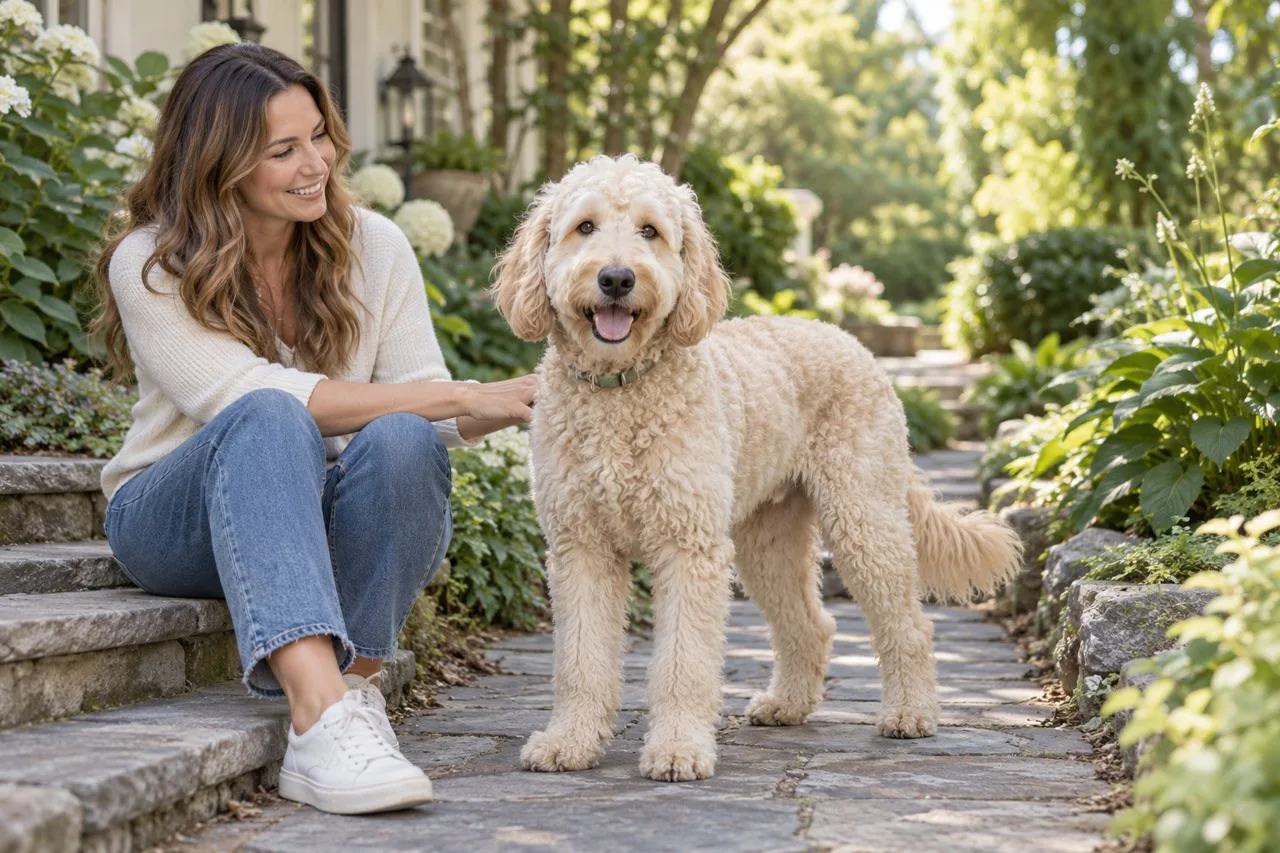
Owner sitting outdoors beside a curly-coated dog
✓ Policy-first ✓ Independent ✓ Useful checks
Direct answer
For two dogs, first decide whether both need new insurance at all. If one dog already has useful continuing coverage, keeping it and shopping only for the other can be more important than putting both with one brand.
Decision guide

Start with two decisions, not one household total

Owner seated beside a large dog
Each dog can need a different insurance decision even in the same household.
Dog’s position First decision Evidence to preserve
Already insured with useful ongoing cover Keep, change within the current contract, or replace only after checking the effect. Current wording, ongoing claim history and renewal offer.
Uninsured with no known current problem Compare new offers for future eligible risks. Accurate application details and veterinary records.
Uninsured with existing symptoms or treatment Identify what a new offer excludes before valuing its remaining protection. Records and written explanation of related-condition treatment.

One household can contain two of these situations. It is reasonable to finish the first dog’s continuity decision before deciding where the second belongs. A single account is convenient, but convenience does not restore a condition excluded after replacement.

Avoid treating the dogs as interchangeable because they share a breed, age or veterinarian. Their policies can begin at different times and have different histories, selections and exclusions. The comparison should identify the protection each would actually receive.

Compare

Compare three arrangements

This is useful when the dogs need different choices. A multi-pet discount reduces specified premium components; it does not pool the benefits.

A shared family contract: MetLife describes a Family Plan for up to three dogs or cats, with shared deductible, annual limit and reimbursement settings. For two eligible dogs, ask whether the common settings fit both and whether the shared remaining limit is acceptable. Confirm restrictions in the actual offer.

Different providers or one retained policy: this is an arrangement to compare, not a named product. It may preserve a useful existing contract while letting the new dog start elsewhere. You will manage separate documents and may forgo a household discount, but the relevant question is what you keep in exchange.

No arrangement wins automatically. Ask whether the contract can support the differences between your two dogs, rather than using the combined premium to hide those differences.

Cost & value

Do not buy a discount by surrendering valuable cover

Suppose, purely as a decision example, the new combined offer saves $72 a year compared with retaining Dog A’s current policy and buying Dog B a separate one. Dog A has ongoing eligible treatment under the existing contract, but the replacement’s treatment of that history is unresolved. The $72 is a known proposed saving; the future loss of protection is not yet quantified.

Do not subtract a made-up claim value and declare the move profitable. First get a written explanation of the new history assessment and compare it with the current terms. If the care would be excluded, decide whether the remaining benefits justify the change without pretending the discount compensates for an unknown exposure.

The same logic applies in reverse: do not keep an unsuitable arrangement only because it is familiar. If existing cover no longer meets essential needs, investigate the actual alternatives and their trade-offs. The key is a coverage decision before a discount decision.

What to know

Check whether the household can use both policies

Ask what you would have to advance if both dogs needed care before either claim was settled. The ability to afford each monthly premium separately does not establish that you can fund simultaneous clinic bills. Verify any direct-payment arrangement at the practices you would use.

For separate policies, note both remaining deductibles and limits. For a family contract, ask how each dog’s claim affects the shared balances and what records identify the animal receiving care. A single invoice from a joint visit does not mean the dogs share identical eligibility.

This is a cash-availability and recordkeeping check, not a prediction of simultaneous illness. You do not need to invent a worst-case bill to ask whether the payment process is workable.

What to know

A conditional recommendation you can act on

  • Prefer separate tailored offers when the dogs need different settings and both are suitable for new enrollment.
  • Investigate a family offer when shared terms fit both dogs and you understand the shared capacity.
  • Keep the continuity question first when one dog already has useful coverage for ongoing care.
  • Do not choose a final arrangement until both dogs’ important exclusions and the full household price are understood.

Save one short decision note for each dog and a household total. If your reasons conflict, it can be appropriate for the dogs to have different arrangements. “Best for two dogs” means the combined decision works for both, not that both must carry the same insurer name.

Evidence

Sources and policy context

These public references support the consumer or veterinary context. Named insurer details were checked in official product materials; the policy offered for your pet and state determines the actual terms.

Next step

Compare Current Pet Insurance Rates

Check current options for your pet and location, then compare the policy details, exclusions, costs, and eligibility before choosing.

Compare the policy before you choose Check the actual offer, exclusions and out-of-pocket terms.
See Rate Options